
Let Neuroscience Lead You to Happiness

Do you wonder why you always seem to be replaying that scene where you say something stupid at a party? Or you ruminate—over and over—about the criticism your boss made? Why do the negative things stick in your brain and then, when someone pays you a compliment, you brush it off?

It turns out our brains have a negative bias. We have evolved over time to pay attention to negative events, and this helped protect us. But now that a saber tooth tiger is probably not threatening us, our brains are still wired that way.
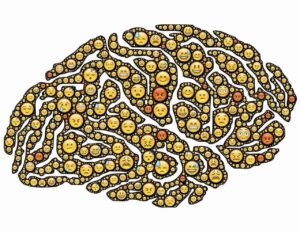
Let Neuroscience Lead You To Happiness Nancy'S Counseling Corner


Neuroscientists have made a lot of progress since the days when tigers roamed freely. It turns out your brain can be changed. Your experiences shape your brain—quite literally—and that means you have the power to change your nervous system. You can train your brain to experience more positive emotions.

In general, you can:

  • Notice positive events. Don’t let the negative ones take precedence. Shove them out. Pay attention to good things.
  • Savor good stuff. Invite positive feelings to linger. Give your neurons plenty of time to fire together and forge a change in your neural structure.
  • Experience positive things deeply. Make how good you feel a part of you. Weave goodness into the fabric of your brain. Feel it deep down.

Specifically, you can:

  • Name that bummer feeling. Consciously recognize that nagging darkness. Give it a name. By recognizing just what it is that’s bringing you down, you go a long way to reduce the impact of that negative emotion.
  • Make that decision. It doesn’t have to be the perfect answer to your problem. But you put your mind at rest when you resolve a problem and set a course. That, in turn, calms your system and reduces stress. The act of deciding also boosts dopamine which gives you pleasure.
  • Practice gratitude. Strangely enough, when you worry, you are rewarded in the short term. Because you’re doing something about your problem—worrying—your brain’s reward center is activated. Consciously replace that worry with gratitude and you’ll boost your dopamine. Gratitude also boosts serotonin, which can affect your mood for the better. When you feel gratitude toward others your social interactions become happier. The more your practice gratitude, the less effort it takes to be grateful, and you begin to be happier and happier.

The long and short of it is, you can change your brain—physically and quite literally—by practicing to think positively. And one more thing: Physically touching can raise dopamine levels, too. When you hug your friend, don’t just give her a perfunctory pat. Give her a long, strong hug. Let your body have time to get the positive effects of physical contract.

Nancy Travers is an Orange County Counseling professional. If you need safe, effective counseling services, please get in touch. You can reach her here: https://nancyscounselingcorner.com/contact-us.


If you found this post helpful, you might also enjoy exploring some of our other articles that dive deeper into the topics of relationships, communication, and emotional wellness. Whether you’re looking to strengthen your current connection, better understand co-dependency, or prepare for a healthy marriage, these related posts offer valuable insights and tools to support your journey. Take a look—you may find just what you need.

Related Posts

How Physical Intimacy and Emotional Intimacy Are Connected

In many relationships, physical intimacy and emotional intimacy are deeply intertwined. While they are distinct experiences, each one influences and strengthens the other. When couples struggle in one area, the other often suffers as well. Understanding this connection can help partners rebuild closeness and create a more fulfilling relationship. Emotional Intimacy Builds the Foundation Emotional intimacy involves feeling safe, understood, and valued by your partner. It grows through open communication,

Read More »

How to Foster a Secure Attachment Style

Attachment styles shape how we connect, communicate, and experience intimacy in our relationships. If you grew up with inconsistent caregiving, emotional neglect, or unpredictable family dynamics, you may notice patterns of anxiety, avoidance, or fear in your adult relationships. The good news is that attachment styles are not fixed. With awareness, intentional effort, and secure attachment therapy from professional counselor Nancy Travers, it is possible to foster a more secure

Read More »

How Anxiety, Trauma, and ADHD Show Up in Relationships

Anxiety in Relationships Anxiety often shows up as hyper-vigilance and fear of disconnection. Common patterns Impact on the relationship Core wound: “I might lose you.” Trauma in Relationships Trauma doesn’t live in the past—it activates in the present. Common patterns Impact on the relationship Core wound: “I’m not safe.” ADHD in Relationships ADHD is not a motivation issue—it’s a regulation issue. Common patterns Impact on the relationship Core wound: “I’m

Read More »
RELATIONSHIP COUNSELING SERVICES

Find The Counseling Service That Is Right For You

At Nancy’s Counseling Corner, we’re here to support every stage of your relationship journey. Whether you’re navigating challenges in your marriage, preparing for lifelong commitment through premarital counseling, or working through the emotions of separation and divorce, our services are designed with care, compassion, and expertise. We specialize in Marriage Counseling, Relationship Counseling, Premarital Counseling, Divorce Counseling, Co-dependency Counseling—and so much more. No matter where you are, healing and growth are possible. Let’s take that next step—together.

Marriage & Couples Counseling

Marriage is a lifelong commitment that requires hard work, love, care, and understanding the needs of other people.

Relationship Counseling

Can help you find–and keep–the love of your life. Relationships are challenging and require an extensive amount of patience.

Divorce Counseling

Divorce Counseling is an emotional and strenuous thought for those seeking to solve marital problems.

Depression Counseling

Depression is a mental disorder characterized by at least 10-14 days of noticeable or recognizable low mood.

Co-dependency

“Codependency” is a term we hear thrown around a lot these days, though many of us aren’t sure exactly what it means.

Premarital Counseling

Offers Premarital Counseling to couples in the Orange County area that are considering to get married or are already engaged.

Anxiety Counseling

Offers Premarital Counseling to couples in the Orange County area that are considering to get married or are already engaged.

Meditation

Offers Premarital Counseling to couples in the Orange County area that are considering to get married or are already engaged.

Hypnosis

Offers Premarital Counseling to couples in the Orange County area that are considering to get married or are already engaged.