
Anxiety among people in the United States is at an all time high. According to the National Institute of Mental Health, almost a third of adults have experienced an anxiety disorder at some point in their life. When we talk about anxiety, we usually focus on how it affects individuals — sleep disruption, difficulty concentrating, irritability, and chronic stress. But anxiety also has a significant impact on romantic relationships. It can influence how partners interpret each other’s behavior, handle conflict, and communicate their needs.
Managing anxiety is not only a matter of individual mental health; it is closely connected to the health of a relationship. Emotional and physical well-being affect how we show up with our partners. When anxiety goes unrecognized or untreated, it can lead to misunderstandings, reactivity, avoidance, or increased tension between partners.
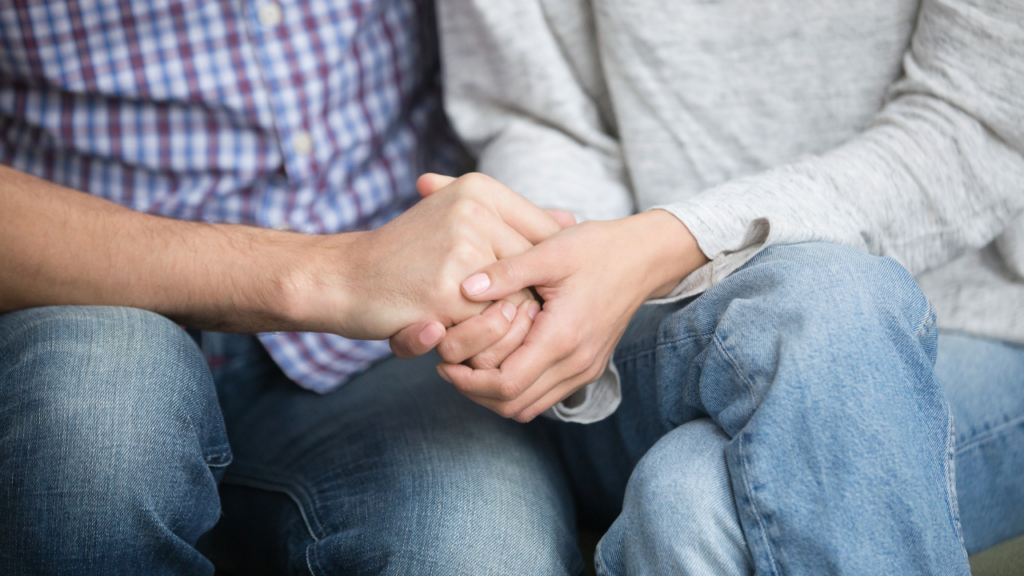
How to Deal with Anxiety
It’s not simply a matter of willpower or trying to “think your way out” of worry. Anxiety is rooted in physiology. It is driven by an overactive amygdala (the part of the brain responsible for detecting threat) which can misinterpret neutral or ambiguous stimuli as danger, triggering the body’s stress response.
This process can be influenced by a range of factors and understanding anxiety as a nervous system response rather than a personal weakness is essential to addressing it effectively.
What Causes Anxiety?
Anxiety can be influenced by a range of biological and medical factors that affect how the body regulates stress. Here are some conditions that can be linked to anxiety:
- Heart disease
- Diabetes.
- Thyroid problems
- Respiratory disorders.
- Drug abuse.
- Withdrawal from alcohol, anti-anxiety medications (benzodiazepines) or other medications.
- Chronic pain.
Risk Factors
These factors may increase your risk of developing an anxiety disorder:
- Trauma. Children who have experienced or witnessed trauma have an increased risk of developing an anxiety disorder. Adults can also develop anxiety disorders as a result of trauma.
- Life stressors. A big event or a buildup of smaller stressful life situations may trigger anxiety.
- Temperament. People with certain personality/temperament types are more prone to anxiety disorders.
- Other mental health disorders. People with other mental health disorders, such as depression, often also have an anxiety disorder.
- Genetic factors. Anxiety disorders can run in families (more reactive or sensitive nervous systems).
- Drugs or alcohol. Drug or alcohol use or misuse or withdrawal can cause or worsen anxiety.
Environmental stressors can trigger anxiety symptoms, even in someone who had previously been functioning well. These stressors interact with underlying vulnerabilities, intensifying the body’s fight/flight/freeze response. Over time, this can lead to persistent physical symptoms such as muscle tension, a racing heart, and a constant sense of alarm or dread.
Symptoms of anxiety
Anxiety disorders range from infrequent panic attacks, to social anxiety to generalized anxiety. While each disorder has its unique set of symptoms, the commonality of anxiety disorders is having a persistent, excessive fear or worry about situations that are not threatening. According to the National Alliance on Mental Illness, usually one or more of these symptoms is present:
Emotional symptoms:
- Feelings of apprehension or dread
- Feeling tense
- Restlessness or irritability
- Always thinking about the worst case scenario
Physical symptoms:
- Pounding or racing heart and shortness of breath (anxiety/panic attacks)
- Sweating, tremors and twitches
- Headaches, fatigue and insomnia
- Upset stomach
How Anxiety Manifests in Relationships
Anxious Attachment
When you get close to someone, it can bring to the surface unresolved issues from the past. The Anxious Attachment style can develop in childhood when a caregiver has been inconsistent in their responsiveness and availability, confusing the child about what to expect. As an adult, this person acts clingy at times and finds it difficult to trust their partner.
A partner with this attachment style tends to respond to relationship stress by moving toward the other. They seek communication, discussion, togetherness, and expression. They are urgent in their efforts to fix what they think is wrong. They are anxious about the distance their partner has created and take it personally. They may be labeled needy, demanding, and nagging.
A partner with distancing behavior tends to respond to relationship stress by moving away from the other. They want physical and emotional distance. They respond to their anxiety by retreating into other activities to distract themselves. They are most approachable when they don’t feel pressured, pushed, or pursued.
This attachment style difference can cause relationship conflict and disconnection.
Contact Nancy’s Counseling Corner for intimacy counseling, serving the Los Angeles and Orange County areas.
counseling services, please get in touch. You can reach her here: